

Tavole Duotone Kiteboarding
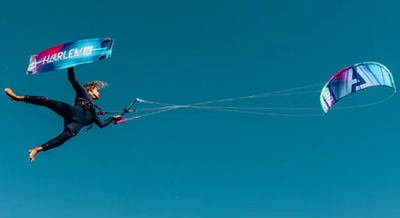
Duotone kiteboards are ridden by kiters all over the world, from beginners to pros. The range covers twintips, surfboards and foilboards, each built around a clear riding style: forgiving freeride boards, dedicated big air boards, wave boards grouped by swell size and foilboards from freeride to race. Add the bold graphics and you get boards that look just as good on your wall as they do on the water. Below you'll find our full range of Duotone twintips, surfboards and foilboards. Can't find your Duotone kiteboard, or got a question? Get in touch by email, phone or WhatsApp. Want to know more about Duotone kiteboards first? Read more below ».
Duotone Kiteboarding
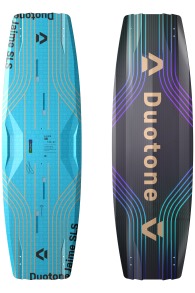
Volt SLS 2026 Surfboard
799,- 1.149,-
Duotone Kiteboarding
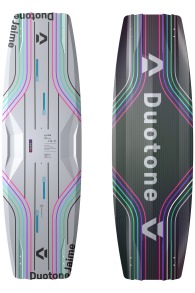
Jaime SLS 2026 Kiteboard
959,- 1.199,-
Duotone Kiteboarding
Jaime Concept Blue 2026 Kiteboard
629,- 789,-
Duotone Kiteboarding
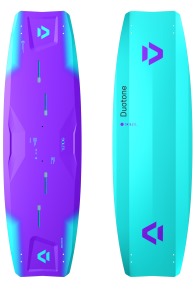
Soleil Concept Blue 2027 Kiteboard
789,-
Duotone Kiteboarding
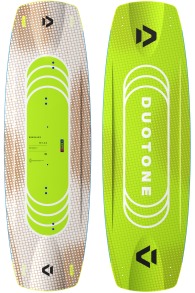
Gonzales 2026 Kiteboard
549,-
Duotone Kiteboarding
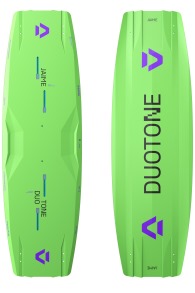
Jaime Concept Blue 2027 Kiteboard
789,-
Duotone Kiteboarding
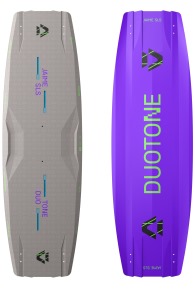
Jaime SLS 2027 Kiteboard
1.199,-
Duotone Kiteboarding
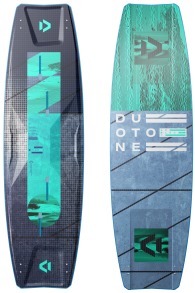
Select SLS 2025 Kiteboard
719,- 1.199,-

Duotone Kiteboarding
Soleil SLS 2027 Kiteboard
1.199,-
Duotone Kiteboarding
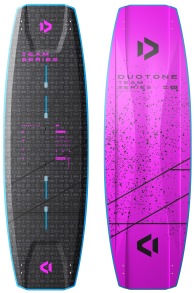
TS Freestyle SLS 2025 Kiteboard
839,- 1.199,-
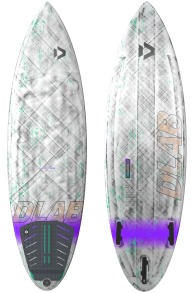
Duotone Kiteboarding
Blur D/LAB 2026 Surfboard
979,- 1.399,-
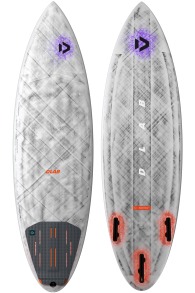
Duotone Kiteboarding
Blur D/LAB 2027 Surfboard
1.399,-
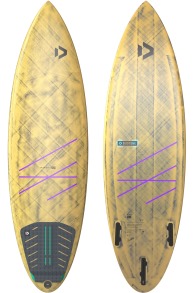
Duotone Kiteboarding
Blur SLS 2026 Surfboard
799,- 1.149,-
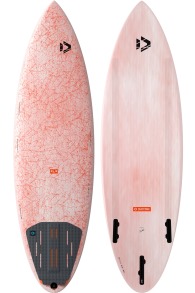
Duotone Kiteboarding
Blur SLS 2027 Surfboard
1.149,-
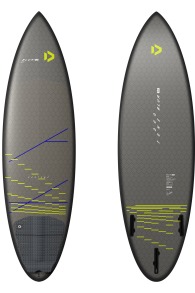
Duotone Kiteboarding
Blur SLS Concept Blue 2025 Surfboard
719,- 1.199,-
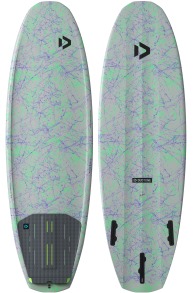
Duotone Kiteboarding
Provoke 2027 Surfboard
1.299,-
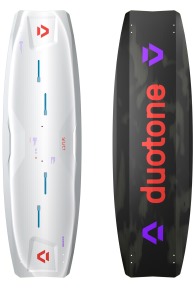
Duotone Kiteboarding
Select Concept Blue 2027 Kiteboard
789,-
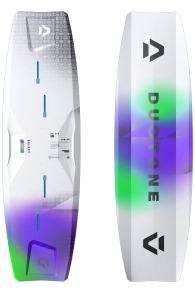
Duotone Kiteboarding
Select SLS 2026 Kiteboard
959,- 1.199,-
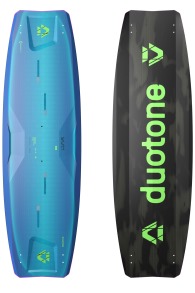
Duotone Kiteboarding
Select SLS 2027 Kiteboard
1.199,-
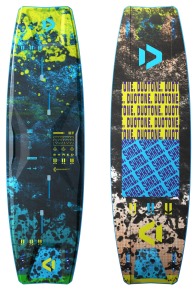
Duotone Kiteboarding
Shred 2025 Kiteboard
419,- 699,-
Tavole Duotone Kiteboarding
Duotone kiteboards are ridden by kiters all over the world, from beginners to pros. The range covers twintips, surfboards and foilboards, each built around a clear riding style: forgiving freeride boards, dedicated big air boards, wave boards grouped by swell size and foilboards from freeride to race. Add the bold graphics and you get boards that look just as good on your wall as they do on the water. Below you'll find our full range of Duotone twintips, surfboards and foilboards. Can't find your Duotone kiteboard, or got a question? Get in touch by email, phone or WhatsApp. Want to know more about Duotone kiteboards first? Read more below ».
Duotone kiteboards at Kitemana
Ready for a new Duotone kiteboard? We're happy to help you choose. On this page you'll find the latest Duotone twintips, surfboards and foilboards, plus what to look for when picking the right model. Which board suits you depends on your experience, your riding style and the conditions at your home spot. So we've put the essentials together: how the models compare, which technologies Duotone uses, how the range has developed over the years, which board fits which rider and which size you need. Whether you're into playful freestyle, big jumps, relaxed cruising or riding waves, there's a Duotone board that fits. Still not sure? Our team of riders is ready to help, and we ship express worldwide. Want to know more about the brand itself? Click here.
Frequently asked questions about Duotone kiteboards:
Which technologies does Duotone use in its kiteboards?
Duotone grew out of North Kiteboarding, and every shape is tested by the team riders before it goes into production. The shape sets a board's character. The construction then decides how much weight, stiffness, damping and feedback you get. That's why most Duotone boards come in more than one construction with the same shape. These are the technologies you'll find in the current range.
SLS (Strong Light Superior), twintips SLS combines Textreme Innegra fibres with upcycled carbon reinforcements on a 45-degree biax carbon base. Innegra damps vibration, so the board stays calm in chop, while the carbon gives you lively, controlled pop. You'll find SLS versions of the Select, Soleil, Jaime and Spike, and the TS Big Air is built in SLS only.
Concept Blue, twintips Concept Blue is Duotone's lower-impact construction: a flax top layer with basalt stringers and a basalt base. Shape and riding behaviour match the regular model, with a slightly more natural, damped flex. It's available on the Select, Soleil, Jaime and Spike. On top of that, the whole twintip range now uses bio-based rails.
D/LAB and SLS, surfboards and foilboards D/LAB is the top construction. On the surfboards it pairs a 45-degree carbon biax with a thin layer of Reflex Memory Foam laminated on top of the core, instead of cork. That foam springs back, so heel dents largely push themselves out, and the board is noticeably lighter. SLS surfboards use a glass biax with a cork shock absorber: roughly 15% heavier than D/LAB, at a friendlier price. The Whip, Volt and Blur come in both, with identical sizing.
Double Concave and Double Diffuser bottoms Duotone twintips run a Double Concave bottom: mellow on the freeride boards for a smooth ride, deeper on the TS Big Air for extra grip at take-off. The Jaime adds the Double Diffuser, channels in the tips that break the water surface on landing. That gives you grip and precise feedback, and lets Duotone use a stiffer flex for more pop without losing comfort. The latest version has straighter tail channels.
Previous generations Riding an older Duotone? Then you'll come across other names. Textreme carbon gave the Team Series and Gambler their stiff, direct feel. Carbon Beams, strips of unidirectional carbon replacing part of the glass fibre, sharpened the flex of earlier Premium boards. On the surfboards, the Light Team Construction used a visible cork shock absorber under the deck, and a Technora net helped protect boards against cracks from repeated heavy impacts. All proven tech, which is why a Duotone board from a few seasons back can still be a great buy.
The Duotone kiteboard range over the years
At Kitemana you'll find the complete range of Duotone kiteboards, from twintips and surfboards to foilboards. Boards like the Jaime and the Team Series have been around for more than fifteen years. Below we take you through both the current and older Duotone kiteboards, so you can quickly see where each board shines and which one best suits your riding style.
Duotone twintips
Duotone Gonzales
The Duotone Gonzales is the entry-level board of the range and a popular pick for beginner kitesurfers. Its round outline makes it predictable and easy to control, while the soft flex and flex tips soak up hard landings and chop. That means a comfortable ride, and learning to ride upwind comes a lot easier. The Gonzales runs from 130 to 151 cm, so there's a size for almost every weight. Also check out all beginner twintips.
Duotone Select
The Duotone Select is the true all-rounder of the twintip range. It rides comfortably through chop, gets planing early and points upwind with ease. At the same time it gives you enough pop to jump and keep building your tricks. The medium flex feels sporty without wearing out your legs. Since the 2023 shape update the outline is longer and narrower, so you'll often go one size up from what you rode on older Select models. Available as Select SLS and Select Concept Blue, from 135 to 144 cm.
Duotone Soleil
The Duotone Soleil has the same comfortable freeride character as the Select, tuned for lighter riders and a smaller build. The narrower outline makes it easy to switch from edge to edge, and the softer flex means you need less power to hold your edge. An asymmetric deck stiffens the heel side for extra control on landings. The Soleil comes as SLS and Concept Blue. See all women's twintips.
Duotone Shred
The Duotone Shred is the twintip for young and light riders. At 128 x 37 cm with a soft glass-fibre construction, it's light and easy to steer, giving young kiters the control they need to build confidence fast. It still feels like a proper Duotone twintip, so moving up to a Gonzales or Select later is an easy step. A great choice straight out of kite lessons. See all kids' twintips.
Duotone Jaime
The Duotone Jaime is a true classic. Named after Jaime Herraiz, it's been in the line-up since the North Kiteboarding years. For 2023/24 the Jaime got a new shape with a double rocker line, giving you loads of grip as you load up, solid pop and control on big jumps. It stays comfortable enough for long freeride sessions too, which puts the Jaime neatly between freestyle and big air. Available as Jaime SLS and Jaime Concept Blue, from 133 x 40 to 142 x 43 cm.
Duotone Team Series
The Duotone Team Series is built for riders who want maximum performance from their twintip. The line has three specialised boards. The TS Freestyle uses a suspension flex cap to counter reverse flex, with deep channels in the tips for extra grip as you pop. The TS Big Air is all about height, speed and explosive take-offs, and currently comes in 136 x 40 and 139 x 41 cm. The TS Park is made for boots, kickers and obstacles: stiff, direct and explosive, exactly what you want when you edge hard.
Duotone Gambler
The Duotone Gambler is the wakestyle and park board from an earlier generation. Its stiff Textreme carbon construction gives plenty of direct feedback, and a flatter section in the rocker helps you land with stability. This board is at home behind a winch, on kickers or during unhooked freestyle on flat water, and was mostly ridden with boots. It's no longer in the current Duotone range, but it's still a serious freestyle board if you come across one.
Duotone Spike
The Duotone Spike is the light-wind kiteboard of the range. Its big surface, flat rocker and angled rails get you planing quickly and riding upwind easily. Ideal for days when the wind is just too light for your regular twintip. For 2025 the Spike got a completely new shape, so it carves more smoothly than you'd expect from a big light-wind board. Available as Spike SLS and Spike Concept Blue, in 151 x 43 and 153 x 46.5 cm. Especially on lakes and flat-water spots, a board like this can earn you plenty of extra sessions. See all light-wind kiteboards.
Duotone surfboards
Duotone Whip
The Duotone Whip is short, wide and compact. The low swing weight lets you flick it from rail to rail, and it feels easy under your feet. That makes the Whip fun for experienced riders and approachable if you're just getting into directional kiting. It's the all-rounder of the Duotone surf range, at home in small to medium waves, strapless freestyle and relaxed light-wind sessions. The Whip comes in 4'11", 5'1" and 5'3", as SLS and D/LAB.
Duotone Volt
The Duotone Volt is made for small waves and less powerful conditions. The shape builds speed easily and keeps it when the wave has little push. That makes the Volt a great match for typical onshore North Sea days, when the waves are messy and weak. You work less to hold your speed and get more out of average conditions. Available as SLS and D/LAB, in 4'11", 5'1" and 5'3".
Duotone Blur
The Duotone Blur is the performance wave board of the current range, combining traits of the earlier Wam and Session. The round tail and generous rocker give you control as the wave gets steeper and faster, while the slightly shorter, wider outline keeps it easy to turn. This is the board you grab when real swell rolls in and you want to ride down the line. Available as SLS and D/LAB, in 5'3", 5'6" and 5'9".
Duotone Wam
For years the Duotone Wam was the all-round directional of the range. A classic outline combined with modern details made it versatile, from small onshore waves to faster, more powerful conditions. It rides fast and lively and works strapped or strapless. The Wam came in Bamboo, SLS and D/LAB, from 5'8" to 6'0". In the current Duotone range its role has largely been taken over by the Blur.
Duotone Session
The Duotone Session was made for powerful, steep waves. More rocker and a pronounced round tail give calm and control as you build speed on the wave, exactly what you want when conditions get bigger and more serious. Together with the Wam, the Session has been merged into today's Blur. If you come across one, it's still a strong choice for riders who mostly head out on the bigger days.
Duotone Fish
The Duotone Fish has plenty of surface area, a wide outline and extra volume. It gets going early and holds speed easily in light wind or small waves. The shape feels stable and comfortable underfoot, which also makes the Fish a good choice for your first steps on a directional. Ideal for light wind, relaxed cruising and smaller wave days. Available as SLS and D/LAB.
Duotone Slash
Think of the Duotone Slash as a compact Whip for young and light riders. It was introduced in 2023 for kiters who want to learn strapless freestyle and progress. The shape follows the same principles as the Whip, adapted to a lower body weight, so the board reacts directly without needing much power. A great choice for young talent and riders with a smaller build.
Duotone Voke and Provoke
The Duotone Voke and Provoke are made for pure strapless freestyle. The Voke SLS has a flat rocker, an almost parallel outline and a wide tail that gives lots of pop as you load up. Deep bottom channels add grip and control on fast landings. The Provoke succeeds the Voke in the current range and follows the same freestyle concept, now with a more surf-inspired outline. Both boards are 5'1". See all surfboards.
Duotone foilboards
Duotone Pace
The Duotone Pace is the freeride foilboard of the range. The high nose rocker helps stop the nose from diving straight under when you touch down, and the generous surface makes light-wind starts easier. The sturdy construction can take a knock, which is always welcome on a foilboard. The Pace runs from 3'11" to 4'6", so you can go compact and playful or pick extra volume and forgiveness.
Duotone Pace SLS
The Duotone Pace SLS shares its shape with the regular Pace but gets a stiff prepreg carbon construction. You feel the lower weight and extra stiffness straight away when foiling: more feedback from the foil and a board that reacts faster to your input. You notice the weight when carrying it too, especially with the mast already mounted. The three sizes have 17.2, 20.1 and 23.6 litres of volume. A great choice if you want more out of freeride, freestyle or speed on the hydrofoil.
Duotone Indy D/LAB
The Duotone Indy D/LAB is made for foilers chasing maximum speed and race performance. The stiff D/LAB construction gives direct feedback, and the padless deck leaves you free to set your stance exactly where you want it. This isn't a foilboard for your first metres. The Indy comes into its own once you can foil well and want to push a race foil to the limit: pointing high upwind, speed and full control on the course. See all foilboards.
Duotone Hybrid SLS
The Duotone Hybrid SLS combines a surfboard and a foilboard. You get a surfboard shape with foil inserts, so one board lets you ride waves and foil. Enough wind and swell in the morning? Ride it as a surfboard. Wind dropping later on? Bolt the foil on and keep going. That's especially handy when travelling, as you don't need to bring several boards. And if you're new to foiling, the familiar surfboard shape feels reassuring.
About constructions and model years
Want to know what SLS, D/LAB and Concept Blue mean? We explain it under Duotone technologies. The differences between consecutive model years are often small, so a Duotone kiteboard from a few seasons ago can still be an excellent choice. Fins, screws, handles and pads and straps can be ordered separately from our kiteboard spare parts.
Which Duotone kiteboard suits which type of rider?
Which Duotone board suits you depends on your level, your riding style and the spot you ride most. The shape sets the board's character; the construction decides how much performance and comfort you get out of it. Here's the range, rider type by rider type.
You're still learning to kite. Then you want a board that absorbs your mistakes instead of punishing them. That's what the Gonzales is made for: round outline, soft flex and flex tips that take the sting out of your landings. It planes early and rides upwind easily, exactly the two things beginners get stuck on. It runs from 130 to 151 cm, so there's always a size to match your weight. See all Duotone beginner kiteboards.
You want one twintip that does it all. Then the Select is the obvious choice. It's the all-rounder of the range: comfortable through chop, quick upwind and early planing, with enough pop to keep jumping. The medium flex keeps it sporty without leaving you wrecked after two hours. It comes as Select SLS and Select Concept Blue, in sizes from 135 x 39 to 144 x 42 cm. Also check out the other twintips.
You want to jump as high as possible. Then you'll end up with the Jaime or the TS Big Air SLS. The Jaime is the classic of the line-up and combines lots of grip with hard pop, without becoming a handful on days you just want to cruise. Going purely for height? The TS Big Air SLS is designed for exactly that, with a deeper double concave for extra grip at take-off. It comes in 136 x 40 and 139 x 41 cm. See all Duotone big air kiteboards.
You're into unhooked freestyle and wakestyle. Then you want a stiffer board that doesn't give way when you pop. The Team Series Freestyle is the competition board from the team quiver, with a suspension flex cap that counters reverse flex and deep tip channels for grip as you load up. Riding mostly with boots, on kickers and obstacles? Then the Team Series Park or the Gambler is a better match. See all freestyle twintips.
You're looking for a board tuned to a smaller build. The Soleil has the same freeride DNA as the Select, with a narrower outline and softer flex. That keeps it light to steer, and you need less power to hold it on its edge. Available as Soleil SLS and Soleil Concept Blue. See all women's twintips.
You're looking for a board for your kid. The Shred is the youth board of the range, at 128 x 37 cm with a soft glass-fibre construction. Small and light enough to really steer, with the same shape principles as the bigger boards, so moving up later comes naturally. See all kids' twintips.
You want to ride even when the wind is disappointing. Then the Spike is your lifesaver. Big surface, flat rocker and angled rails, so you're planing and heading upwind while the rest are still waiting. It comes as Spike SLS and Spike Concept Blue, in 151 x 43 and 153 x 46.5 cm. On inland lakes and flat-water spots, a board like this adds a good number of sessions to your season. See all Duotone light-wind kiteboards.
You want to ride waves. Duotone's directionals are shaped by Sky Solbach and grouped by wave size. The Whip is short, wide and compact: low swing weight, so it's quick from rail to rail in small to medium waves. When real swell shows up, grab the Blur, with more rocker and a round tail for control on a steep face. The Wam and Session are the predecessors the Blur grew out of, and still great boards if you find one. See all surfboards.
You want to land strapless tricks. Then look for a flat rocker and a wide tail that acts as a springboard. The Voke SLS is the pure freestyle board for that, developed with Airton Cozzolino and shaper Sky Solbach, and ridden by James Carew among others. In the current range the Provoke is its successor. Want to mix freestyle with regular wave riding? Then the Whip and the Fish are more playful and more forgiving.
You want to ride a directional in light wind. Then a board with lots of surface area works best. The Fish has a wide profile and extra volume, planes early and feels stable underfoot, even if you're just starting out on a directional. The Whip and the Volt also handle small, gutless waves well and are a bit looser in the turn. No need to skip a light-wind day.
You ride a foil. Then it's all about volume and length. The Pace is the freeride board of the range, with a high nose rocker and enough volume to get going in light wind. The Pace SLS is the same shape in prepreg carbon, running from 17.2 to 23.6 litres, so you feel exactly what the foil is doing underneath you. Going racing? Then the Indy D/LAB with its padless deck is the specialist. The Hybrid SLS is the crossover: a surfboard shape with foil inserts, so you ride waves in the morning and put the foil on in the afternoon. See all hydrofoils.
Still torn between two models? Get in touch for free, no-strings advice from people who actually kite. We ship express worldwide, and with more than 200,000 happy kite customers, there's a good chance we've helped a rider just like you pick their next Duotone board.
Which size Duotone kiteboard do you need?
The right size depends on your weight, your level and the wind at your home spot. The rule of thumb: a longer, wider board gets planing earlier and rides upwind more easily, while a shorter board feels looser and more direct in the air and in chop. Beginners and riders at light-wind spots usually go a size bigger, and advanced riders at windy spots a size smaller.
Twintips. As a rough starting point: riders under 70 kg usually land around 133 to 136 cm, riders between 70 and 85 kg around 136 to 140 cm, and heavier riders or anyone riding mostly in light wind from 140 cm upwards. Coming from an older Select? Since the 2023 update the outline is longer and narrower, so you'll often go one size up. For really light days, a dedicated light-wind board like the Spike beats simply sizing up your regular twintip.
Surfboards and foilboards. On a directional, length and volume matter most. Lighter riders and strapless freestylers usually get on well with 4'11" to 5'3", while heavier riders and big-wave days call for 5'6" and up. On a foilboard, more volume helps you get going in light wind and while you're still learning. Once your touch-downs become rare, a smaller board feels more agile. Not sure between two sizes? Get in touch and we'll help you choose.
Duotone kiteboard accessories
Duotone kiteboard accessories
A good session isn't just about your kiteboard. The right accessories make a big difference too: bindings, pads, fins and other parts that add comfort, control and performance on the water. We're happy to help you choose these as well, matched to your board.
Aggiunto al carrello
| Subtotale | € 0,00 |
| Costi di spedizione NL | Gratuito |
| Totale (IVA esclusa) | € 0,00 |
Non hai prodotti nel tuo carrello.
Non sai da dove iniziare?
Contatta il nostro servizio clienti per una consulenza
